
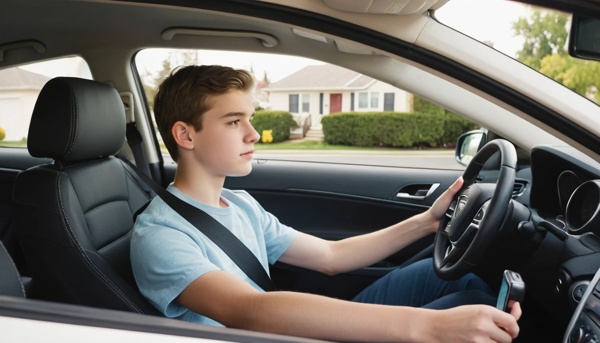
Safe driving tips for new teens that actually work—learn smart, expert-backed habits to keep new drivers safe and confident on the road.
Safe Driving Tips for New Teens – Start Smart, Stay Safe 🚦
Are you letting your teen hit the road for the first time? Wondering if they really know how to stay safe behind the wheel?
Handing over the keys is a big deal. This guide is for you, whether you’re a worried parent or a nervous teen driver. It’s packed with practical, real-life tips to help you stay safe and confident.
Let’s dive into everything new drivers need to know. They should stay focused, alert, and ready for anything on the road.
🚘 Why Teen Driving Safety Matters
Teen drivers are three times more likely to be involved in a fatal crash than adults. This isn’t to scare you. It’s to show why learning safe habits early is important.
Teens face risks from inexperience, distractions, and overconfidence. But with the right tips, they can become safe, capable, and confident drivers.
👀 Focus on the Road – Ditch the Distractions
Distractions are the #1 cause of teen driving accidents.
What to avoid while driving:
- Texting or checking social media
- Eating or drinking
- Changing playlists or using GPS while moving
- Friends who talk too much or get rowdy 😅
Quick tip: Turn your phone on Do Not Disturb mode or put it in the glove box before starting the car.
🛑 Know and Respect the Rules of the Road
New drivers should do more than memorize signs—they should understand them.
Rules to know cold:
- Stop completely at stop signs.
- Yield when required.
- Obey speed limits (yes, even when no one’s watching).
- Use turn signals early.
- Don’t follow other cars too closely.
Confidence starts with knowledge—so study up and stay sharp.
✅ Defensive Driving is Your Superpower
Driving defensively means being ready for anything.
Here’s how to drive defensively:
- Keep a safe following distance (3 seconds minimum).
- Check mirrors every 5–8 seconds.
- Anticipate what other drivers might do.
- Slow down when conditions are poor (rain, snow, fog).
- Always have an escape route in mind.
🧠 Pro tip: Treat every other driver like they might make a mistake. Be ready, not reactive.
🔁 Practice Makes (Almost) Perfect
The best way to improve driving skills is consistent, supervised practice.
Set up practice in different scenarios:
- Daylight and nighttime
- Urban streets and highways
- Rainy or windy weather
- Parking in tight spots
Table: Practice Scenarios & Skills to Build
🎧 Music Matters – Keep It Low
Loud music can slow down how fast you react and make you stressed.
Stick to:
- Low volume levels
- Calmer playlists without distracting lyrics
- No playlist changes while driving!
👉 Save the dance party for when the car’s parked.
🧍♂️ Limit Passengers at First
More passengers mean more distractions. That’s why many states have graduated driver licensing laws that limit teen passengers.
Even with parental permission, it’s smart to keep it to one passenger or none for the first six months.
📱 Emergency Preparedness for New Drivers
Every teen should know what to do in case of car trouble or an accident.
Must-have emergency items:
- Spare tire & jack
- Jumper cables
- Flashlight
- Basic first aid kit
- Phone charger/power bank
- Insurance & registration copies
Table: Emergency Kit Essentials
| Item | Why It’s Important |
|---|---|
| Jumper cables | Restart a dead battery |
| Flashlight | See in the dark, signal help |
| First aid kit | Handle minor injuries |
| Power bank | Keep phone charged for calls |
| Emergency blanket | Stay warm if stranded |
🚦 Understand Traffic Flow and Timing
Good drivers don’t just react—they anticipate. Teach teens to look ahead and watch how traffic moves.
Tips for smooth driving:
- Start slowing down before you need to stop.
- Let other cars merge if safe.
- Watch traffic lights 2–3 cars ahead.
👀 Eyes up, mind alert. Avoid tunnel vision.
🛠️ Basic Car Maintenance Knowledge
Driving safe includes knowing the car’s condition.
Teach your teen how to:
- Check tire pressure and tread
- Know when oil needs changing
- Read dashboard warning lights
- Fill up windshield washer fluid
Table: Basic Maintenance Checklist
| Task | How Often |
|---|---|
| Check tire pressure | Monthly |
| Oil level | Every other gas fill-up |
| Brake responsiveness | Every drive |
| Headlights & signals | Weekly |
| Clean windshield | As needed |
❌ Avoid Risky Behaviors – No Exceptions
Teens often feel like they can do anything. But, safety is always first.
Never let:
- Drinking or drugs before driving 🚫
- Racing or aggressive lane changes
- Ignoring curfews or weather warnings
- Driving while drowsy
Bold rule: If you wouldn’t want your parents to know you did it, don’t do it on the road.
🧭 Always Use GPS Wisely
New drivers might worry about getting lost. GPS helps, but don’t rely on it too much.
Safe GPS habits:
- Set your destination before starting the car
- Use voice guidance instead of staring at the screen
- Pull over to reroute, not while driving
🧓 Learn from Parents and Mentors
Teens learn more by example than lecture.
If you’re a parent, show safe driving every day—no texting, no speeding, full stops at signs.
Mentorship idea: Invite your teen to explain safe driving tips to you. It helps them learn.
🎯 Key Takeaways
- Stay focused, not distracted.
- Practice often and in different conditions.
- Respect the rules and your car’s limits.
- Drive defensively, not aggressively.
- Keep safety gear and knowledge ready.
⚡ Quick Answers
- What’s the #1 tip for new teen drivers?
- Stay focused—put your phone away and keep your eyes on the road.
- How can teens avoid accidents?
- Drive defensively, follow speed limits, and avoid distractions like loud music or texting.
- Should teens drive at night?
- Only with experience. Start with well-lit routes and have a trusted adult nearby.
- What’s a good first car for a teen?
- Something safe, small, reliable, and with strong crash-test ratings.
- How often should teens practice driving?
- At least 2–3 times per week in varied conditions for several months.
🔍 Deep Comparisons: Teen Drivers vs. Experienced Drivers
| Driving Skill | Teen Drivers | Experienced Drivers |
|---|---|---|
| Reaction Time | Slower | Faster with experience |
| Rule Understanding | Stil learning | Well-ingrained |
| Distraction Response | Easily distracted | Better self-control |
| Confidence Level | Can be overconfident | More balanced |
| Risk Awareness | Lower initially | Developed over time |
❓ FAQs
What are the safest driving tips for teen drivers?
Keep your phone away, drive defensively, and practice often with supervision.
How many hours should a teen drive before going solo?
Most states require 40–50 hours. More is better—aim for a mix of conditions.
Can a new teen driver use cruise control?
It’s better to wait. Teens should first build confidence with manual speed control.
Why is night driving harder for new teens?
Visibility drops, and headlights can be confusing. It takes extra focus and experience.
What age is best to teach teens safe driving habits?
Start before they get a permit. Modeling good habits early builds lifelong skills.
🎬 Conclusion
Driving is more than a skill—it’s a responsibility. For teens, the road can feel like freedom—but freedom comes with risks. The key to staying safe? Learn, practice, and stay humble.
Whether you’re a new teen behind the wheel or a parent guiding the way, remember this: The safest drivers never stop learning.
Drive smart. Stay sharp. You’ve got this. 🚗💨
Sources:
https://www.nhtsa.gov/road-safety/teen-driving
https://www.cdc.gov/transportationsafety/teen_drivers
https://www.aaa.com/teendriving
