
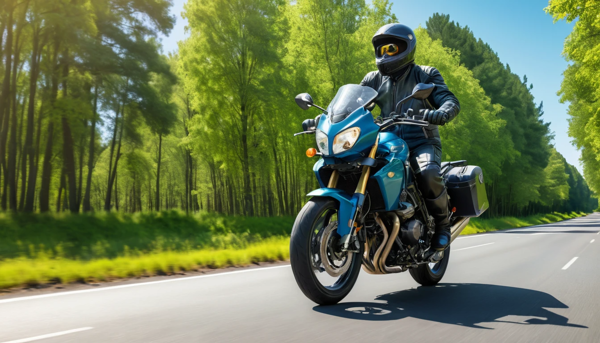
Motorcycle safety course for license helps riders learn essential skills and pass tests. Discover tips, benefits, and how to enroll today!
Motorcycle Safety Course for License: The Ultimate Guide to Ride Confidently and Safely 🏍️✨
Ever thought skipping a motorcycle safety course could be dangerous? Many new riders hurry to ride without training. But taking a motorcycle safety course for your license is the smartest first step you can take. It’s not just about passing the test. It’s about riding smart, confident, and safe.
In this guide, you’ll learn all about motorcycle safety courses. You’ll see why they’re key, how to sign up, and what to expect. This article is for both new and experienced riders.
What Is a Motorcycle Safety Course for License? 🏍️🎓
A motorcycle safety course teaches you how to ride safely and well. These courses are required or highly recommended for getting a motorcycle license in many places.
They mix classroom lessons with riding exercises. You’ll learn:
- Basic motorcycle controls
- Traffic laws and regulations
- Defensive riding techniques
- Hazard recognition and avoidance
Most programs end with a skills test. Passing it may waive your state’s riding test.
Why Take a Motorcycle Safety Course? ✅
Many riders skip the course to save time or money. But that’s a big mistake. Here’s why a motorcycle safety course is a game changer:
- Safer Riding: Learn skills that reduce accident risks significantly.
- License Waiver: In many states, passing the course waives the DMV road test.
- Insurance Discounts: Many insurers offer lower premiums to certified riders.
- Confidence Boost: Gain real-world experience in a controlled environment.
- Legal Requirement: Some states require it for first-time riders or license upgrades.
Skipping training could lead to costly fines, injuries, or worse.
Types of Motorcycle Safety Courses 🛵📚
There are several types of courses depending on your skill level and license status:
| Course Type | Description | Best For |
|---|---|---|
| Basic Rider Course (BRC) | Introductory course covering fundamentals | New riders |
| Experienced Rider Course | Advanced skills and safety techniques | Licensed riders wanting refreshers |
| Motorcycle Refresher | Short course to sharpen skills | Returning riders |
| Off-Road Course | Training for dirt or trail riding | Off-road enthusiasts |
Choosing the right course depends on your experience and goals.
How to Enroll in a Motorcycle Safety Course 🎟️📝
Signing up for a course is simple but needs some prep:
- Locate a Certified Provider: Most states list approved programs online.
- Check Requirements: You might need a certain age, ID, or learner’s permit.
- Register Early: Classes get full fast, even more in warmer months.
- Prepare Documents: Bring your permit, ID, and payment.
- Wear Proper Gear: You’ll need a helmet, gloves, boots, and long pants.
Courses last 2-3 days. You’ll learn in class and practice riding.
What You’ll Learn in a Motorcycle Safety Course 🛡️📖
Expect to learn a lot, including:
- Motorcycle Controls: How to use the throttle, brakes, clutch, gears, and signals.
- Basic Maneuvers: Starting, stopping, turning, and U-turns.
- Traffic Awareness: How to read road signs and watch for dangers.
- Emergency Handling: How to stop quickly, swerve, and balance.
- Riding Strategies: Following distance, lane positioning, and group riding.
- Maintenance Basics: How to do pre-ride checks and care for your bike.
Instructors teach safe habits that last forever.
Motorcycle License Requirements by State 🗺️🏍️
License rules change, but most follow similar steps. Here’s a quick look:
| State | Minimum Age | Safety Course Required | Test Waiver Available? | Permit Required? |
|---|---|---|---|---|
| California | 15.5 | Yes | Yes | Yes |
| Texas | 15 | Yes | Yes | Yes |
| New York | 16 | Yes | Yes | Yes |
| Florida | 16 | Yes | Yes | Yes |
| Illinois | 16 | No | No | Yes |
Always check your state DMV for the latest info.
How a Safety Course Helps You Pass the Motorcycle License Test ✅🎯
The course is made to help you pass the test:
- Skills Practice: You’ll practice riding skills that are on the test.
- Written Test Prep: You’ll study for the written test on traffic laws and safety.
- Confidence: Practice makes you feel more ready for the test.
- Instructor Feedback: You’ll get help right away to improve your skills.
- Test Waiver: Passing the course might let you skip the DMV road test.
You’ll be ready to pass your license exam.
Cost of Motorcycle Safety Courses 💸
Prices change based on where you are and the type of course. Here’s what you might pay:
| Course Type | Typical Price Range | Notes |
|---|---|---|
| Basic Rider Course | $150 – $350 | Most common and affordable |
| Experienced Rider | $100 – $200 | Shorter, more focused |
| Refresher Course | $75 – $150 | Ideal for skill sharpening |
| Off-Road Course | $200 – $400 | Specialized and less common |
Some students might get help with costs through scholarships.
Motorcycle Safety Gear: What You Need to Know 🦺🧤
Wearing the right gear is key for safety. It’s often needed for courses:
- Helmet: DOT-approved, fits snugly.
- Gloves: Durable, protect hands and improve grip.
- Jacket & Pants: Abrasion-resistant, padded.
- Boots: Over ankle, non-slip soles.
- Eye Protection: Goggles or face shield.
Wearing the right gear can greatly reduce injury risks.
Benefits Beyond Getting Your License 🎉
Learning in a safety course does more than just help with your license:
- Improved Road Safety: Certified riders have fewer accidents.
- Better Riding Skills: Learn advanced techniques.
- Community: Meet fellow riders and share tips.
- Renewal Credits: Some states allow credit for license renewal.
- Peace of Mind: Ride with confidence knowing you’re trained.
This investment pays off every time you ride.
Common Misconceptions About Motorcycle Safety Courses ❌
Let’s clear up some myths:
- “I can learn on the road.” Riding without training increases crash risk.
- “Courses are too expensive.” Insurance discounts often offset costs.
- “I’m too experienced.” Even veteran riders benefit from refresher courses.
- “The course is boring.” Practical sessions are engaging and fun.
- “It’s only for beginners.” There’s training for all skill levels.
The truth is, everyone gains from professional instruction.
Motorcycle Safety Course vs. Self-Learning: Which Is Better? ⚖️
Self-learning might seem appealing, but it’s risky. Here’s why:
| Factor | Motorcycle Safety Course | Self-Learning |
|---|---|---|
| Instruction Quality | Professional, experienced instructors | No formal guidance |
| Hands-On Practice | Structured exercises | Trial and error |
| Safety Awareness | Emphasized and taught | Often overlooked |
| Test Preparation | Specifically designed | May miss key requirements |
| Cost | Upfront but offers long-term benefits | Lower upfront, higher risk |
Courses provide safer, proven learning paths.
What Happens If You Don’t Take a Motorcycle Safety Course? ⚠️
Skipping the course can lead to:
- Failed License Tests: Without practice, tests are harder.
- Higher Accident Risk: Lack of safety knowledge increases crashes.
- No Insurance Discounts: Higher premiums without certification.
- Legal Penalties: Fines or delays in license approval.
- Lower Confidence: Anxiety on the road reduces riding enjoyment.
Getting trained first is the responsible choice.
How Long Does a Motorcycle Safety Course Take? ⏳
Most beginner courses last 2-3 days, totaling 15-20 hours:
- Day 1: Classroom lessons + initial riding practice
- Day 2: Advanced maneuvers and skill drills
- Day 3: Final practice + riding test (if offered)
Flexible weekend or weekday options are often available.
Motorcycle Safety Course Certification and License Process ✔️
After completing the course, you receive a certificate. This certificate:
- Waives the road test in many states
- Is presented to the DMV for license issuance
- May help reduce insurance rates
Be sure to submit your certificate within the required time frame to avoid delays.
Tips to Prepare for Your Motorcycle Safety Course 🎯🛡️
- Get a good night’s sleep before class.
- Practice basic bike controls if you already have a bike.
- Wear comfortable, appropriate gear.
- Stay hydrated and bring snacks.
- Ask questions and stay engaged.
Preparation boosts your success and enjoyment.
Key Takeaways: 📝
- A motorcycle safety course is essential for new riders.
- Courses combine classroom and practical lessons.
- Passing often waives the DMV road test.
- Insurance discounts reward certified riders.
- Proper gear and preparation enhance safety.
- Skip myths and trust professional instruction.
Riding safe starts with the right education.
Quick Answers: ❓
- Do all states require a safety course for a motorcycle license?
No, but many states require or recommend it, for new riders. - Can I skip the riding test if I pass the course?
In many states, yes. The course certificate can waive the road skills test. - How much does a motorcycle safety course cost?
Prices vary, but basic courses usually cost between $150 and $350. - What gear is mandatory for the safety course?
Helmet, gloves, long pants, boots, and eye protection are required. - How long is a basic motorcycle safety course?
Typically, 2 to 3 days, combining classroom and riding practice.
Deep Comparisons: Motorcycle Safety Course vs. DMV Test Only 🆚
Safety Course:
- Teaches real-world skills
- Builds confidence
- Often waives road test
- Costs money but saves long-term
DMV Test Only:
- Focuses on test passing
- Limited practical training
- No insurance benefits
- Less preparation, higher failure risk
Choosing a safety course is a smarter, safer bet.
FAQs
What is the best motorcycle safety course for beginners?
The Basic Rider Course (BRC) is ideal for beginners. It covers essential skills and often waives the DMV road test.
How long does it take to get a motorcycle license after the course?
You can usually apply immediately with your completion certificate. License issuance varies by state DMV processing times.
Are motorcycle safety courses available online?
Some theory portions may be online, but practical riding requires in-person attendance.
Can I use my motorcycle safety course certificate in any state?
Most states accept their own certificates only. Check local regulations before moving.
Do motorcycle safety courses help reduce insurance costs?
Yes, many insurers offer discounts to certified riders, sometimes up to 15% off premiums.
References
https://www.nhtsa.gov/road-safety/motorcycle-safety
https://www.msc.state.pa.us/
https://www.californiamotorcyclist.com/


