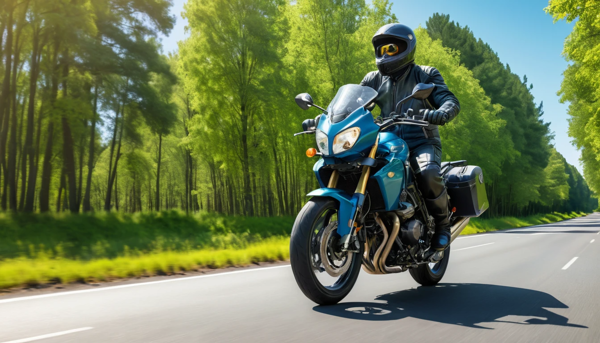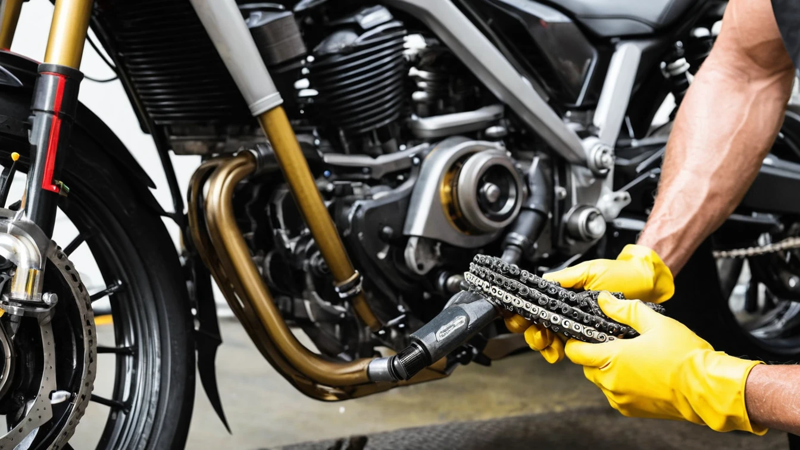
Motorcycle chain cleaning and lube tips to extend chain life, improve performance, and keep your bike running smooth every ride.
A clean and properly lubricated motorcycle chain improves performance, increases fuel efficiency, and extends chain life. Regular chain maintenance also prevents rust, reduces wear on sprockets, and keeps your ride smooth and safe. Most riders should clean and lube the chain every 300 to 600 miles depending on riding conditions.
Motorcycle Chain Cleaning And Lube 🏍️
Have you ever wondered why some motorcycle chains last over 20,000 miles while others wear out quickly? The answer usually comes down to one simple habit—proper chain cleaning and lubrication.
Your motorcycle chain handles constant stress every time you ride. Dirt, water, dust, and road grime slowly damage the chain links and sprockets. Without regular maintenance, the chain becomes noisy, stiff, and unsafe. The good news is that cleaning and lubing a motorcycle chain is simple once you know the right process. 😊
Why Motorcycle Chain Maintenance Matters 🔧
Your motorcycle chain transfers engine power directly to the rear wheel. If the chain is dirty or dry, your bike loses efficiency and performance. You may also notice jerky acceleration or rough shifting.
Routine maintenance protects expensive parts from premature wear. A neglected chain can damage sprockets and even snap while riding. That creates a dangerous situation on the road. Regular chain care keeps your motorcycle safer and smoother.
Many riders ignore chain maintenance until problems appear. Unfortunately, by then, the chain may already be damaged. Spending 15 to 20 minutes every few weeks can save hundreds of dollars later.
Signs Your Motorcycle Chain Needs Cleaning 🛠️
A motorcycle chain usually gives clear warning signs before it becomes a serious issue. One common sign is visible dirt buildup. Thick black grime around the links means old lubricant mixed with debris.
Another warning sign is chain noise. A dry chain often squeaks, rattles, or makes grinding sounds. You may also notice uneven movement or stiff chain links during inspection.
Watch for these common symptoms:
- Rust spots on chain links
- Excessive chain slack
- Rough shifting performance
- Dirty grease buildup
- Sprocket teeth wearing unevenly
- Chain feels dry to the touch
Ignoring these signs can shorten the life of your entire drivetrain.
How Often Should You Clean And Lube A Motorcycle Chain? ⏰
The ideal maintenance schedule depends on riding conditions. Street riders usually clean and lube the chain every 300 to 600 miles. Riders in wet or dusty areas may need more frequent service.
Adventure and off-road riders should inspect the chain after every ride. Mud, sand, and water quickly remove lubrication. Rain also washes away protective oils from the chain surface.
Here’s a simple maintenance guide:
| Riding Condition | Cleaning Frequency | Lubing Frequency |
| Daily Street Riding | Every 500 Miles | Every 300 Miles |
| Rainy Conditions | Every 200 Miles | After Every Ride |
| Off-Road Riding | After Every Ride | After Every Ride |
| Long Highway Trips | Every 600 Miles | Every 400 Miles |
Consistency matters more than perfection. Small routine maintenance sessions prevent bigger mechanical problems later.
Essential Tools For Chain Cleaning 🧰
You do not need expensive tools to maintain a motorcycle chain. Most riders can complete the job with a few affordable supplies at home.
A rear paddock stand makes cleaning easier because it lifts the rear wheel. This allows the chain to rotate freely during maintenance. If you do not own one, you can still clean the chain carefully by rolling the motorcycle forward slowly.
Here are the basic tools you need:
- Motorcycle chain cleaner
- Soft bristle chain brush
- Microfiber towels
- Motorcycle chain lubricant
- Gloves
- Rear wheel stand
- Safety glasses
Avoid using harsh household cleaners because they may damage rubber O-rings inside the chain.
Choosing The Best Motorcycle Chain Cleaner 🧴
Not every cleaner is safe for motorcycle chains. Modern chains often contain rubber O-rings or X-rings that hold internal lubrication. Strong chemicals can destroy these seals.
Dedicated motorcycle chain cleaners are designed to remove grime without harming the chain. Kerosene is also a popular budget-friendly option among experienced riders. It cleans well while remaining gentle on O-rings.
Avoid these products:
- Gasoline
- Brake cleaner
- Harsh degreasers
- WD-40 as a primary cleaner
- Industrial solvents
Using the wrong cleaner may shorten chain life dramatically.
Picking The Right Motorcycle Chain Lube 🛞
Chain lubricant reduces friction and protects metal surfaces from corrosion. However, different riding styles require different types of lubricant.
Wet lubes work best in rainy conditions because they resist water. Dry lubes attract less dirt and perform well in dusty climates. Wax-based lubes provide clean operation but may require more frequent application.
Here’s a quick comparison:
| Lube Type | Best For | Main Benefit |
| Wet Lube | Rainy Weather | Excellent Water Resistance |
| Dry Lube | Dusty Roads | Less Dirt Buildup |
| Wax Lube | Street Bikes | Cleaner Finish |
| Synthetic Lube | High Performance Riding | Long-Lasting Protection |
Choosing the right lube helps your chain stay cleaner and last longer.
Preparing Your Motorcycle Before Cleaning 🚦
Preparation makes the cleaning process safer and more effective. Start by parking your motorcycle on stable ground. Let the engine cool completely before touching the chain area.
Place the bike on a center stand or paddock stand if available. Wear gloves to protect your hands from grease and chemicals. Keep cleaning materials nearby to avoid interruptions.
Never clean the chain while the motorcycle engine is running. Many serious injuries happen when fingers get caught between the chain and sprocket. Safety should always come first.
Step-By-Step Motorcycle Chain Cleaning Process 🧽
Cleaning the chain properly removes old lubricant, dirt, and harmful debris. Begin by spraying chain cleaner evenly across the chain surface. Rotate the wheel slowly so the cleaner reaches every link.
Next, scrub the chain gently using a soft chain brush. Focus on removing thick grime around the rollers and side plates. Avoid aggressive scrubbing because it may damage the seals.
Follow these steps carefully:
- Spray chain cleaner thoroughly
- Let the cleaner soak for several minutes
- Scrub all chain sides gently
- Rotate the wheel gradually
- Wipe away loosened dirt
- Allow the chain to dry fully
Patience during cleaning leads to better lubrication afterward.
The Correct Way To Apply Chain Lube ✨
Many riders apply too much lubricant. Excess lube attracts dirt and creates messy buildup around the wheel and swingarm.
Apply lubricant to the inside of the chain while rotating the rear wheel slowly. This helps centrifugal force spread the lubricant evenly during riding. Focus mainly on the rollers because that area creates the most friction.
After application, let the chain sit for at least 15 minutes. This allows the lubricant to penetrate properly before riding. Wipe away excess lubricant using a clean microfiber cloth.
A properly lubed chain should look lightly coated, not dripping wet.
Common Motorcycle Chain Cleaning Mistakes ❌
Simple mistakes can reduce chain life quickly. One major mistake is over-lubricating the chain. Thick grease buildup traps dirt and accelerates wear.
Another common problem is using pressure washers. High-pressure water can force dirt and moisture into chain seals. That removes essential internal lubrication.
Avoid these errors:
- Cleaning with gasoline
- Using wire brushes
- Ignoring chain tension
- Lubing a dirty chain
- Applying excessive lubricant
- Riding immediately after lubing
Small habits make a big difference over time.
How To Check Motorcycle Chain Tension 📏
Proper chain tension is just as important as lubrication. A chain that is too tight stresses the drivetrain and bearings. A loose chain may slip or jump during acceleration.
Check your motorcycle owner’s manual for exact slack specifications. Most motorcycles require about 1 to 1.5 inches of chain movement. Use your fingers to move the chain up and down midway between the sprockets.
Here’s a quick tension guide:
| Chain Condition | Problem |
| Too Tight | Increased Wear |
| Too Loose | Poor Power Delivery |
| Uneven Slack | Possible Chain Damage |
| Proper Slack | Smooth Performance |
Always adjust tension carefully and evenly on both sides.
Understanding O-Ring And X-Ring Chains 🔄
Modern motorcycles usually use O-ring or X-ring chains. These chains contain internal grease sealed inside rubber rings. That design improves durability and reduces maintenance frequency.
O-ring chains are common on street motorcycles because they balance performance and affordability. X-ring chains create less friction and often last longer under high-speed riding conditions.
Because these chains rely on rubber seals, using safe cleaners becomes critical. Damaging the seals allows lubrication to escape from inside the chain.
A sealed chain still requires external lubrication to reduce roller and sprocket wear.
Best Practices For Riding In Wet Conditions 🌧️
Rain creates difficult conditions for motorcycle chains. Water washes away lubricant and encourages rust formation. Wet roads also carry dirt and contaminants directly onto the chain surface.
After riding in rain, wipe the chain dry as soon as possible. Apply fresh lubricant once the chain is fully dry. This prevents moisture from sitting inside the links overnight.
Helpful wet-weather habits include:
- Lubing after rainy rides
- Storing the bike indoors
- Checking for rust frequently
- Cleaning road salt quickly
- Using water-resistant chain lube
Extra maintenance during wet seasons protects your chain investment.
How Long Should A Motorcycle Chain Last? 🏍️
A properly maintained motorcycle chain can last between 15,000 and 30,000 miles. Riding habits, maintenance routines, and weather conditions all affect chain lifespan.
Aggressive acceleration and wheelies place extra stress on the chain. Poor lubrication also speeds up wear dramatically. Riders who clean and lube regularly usually enjoy much longer chain life.
Watch for these replacement signs:
- Tight spots in the chain
- Rusted or frozen links
- Excessive stretching
- Worn sprocket teeth
- Constant chain adjustments
Replacing the chain and sprockets together usually delivers the best performance.
DIY Vs Professional Chain Service 🔩
Most riders can handle basic chain maintenance at home. DIY cleaning saves money and helps riders understand their motorcycle better. The process also requires very few tools.
Professional service may help if your chain has serious rust, damaged links, or alignment issues. Mechanics can inspect the drivetrain thoroughly and identify hidden problems.
DIY maintenance benefits include:
- Lower maintenance costs
- Faster routine service
- Better motorcycle knowledge
- Convenient scheduling
Professional service works best for major drivetrain repairs or replacements.
Tips To Extend Motorcycle Chain Life 🚀
Small daily habits can dramatically increase chain longevity. Smooth riding reduces sudden stress on chain links and sprockets. Keeping the chain clean prevents abrasive dirt from grinding metal surfaces.
Store your motorcycle in a dry area whenever possible. Moisture causes rust even when the bike is not being used. Covering the motorcycle also helps protect exposed metal parts.
Here are some proven chain-saving habits:
- Inspect the chain weekly
- Maintain proper tension
- Use quality lubricant
- Clean after wet rides
- Replace worn sprockets promptly
- Avoid harsh cleaning chemicals
Good maintenance habits create smoother rides and lower repair bills. 😊
Why Chain Maintenance Improves Riding Performance 🏁
A clean chain improves throttle response and power transfer. Your motorcycle accelerates more smoothly because less friction exists between moving parts.
Proper lubrication also reduces drivetrain noise. Riders often notice quieter operation immediately after chain service. Smooth shifting becomes easier because the drivetrain works more efficiently.
Beyond performance, regular chain care increases rider confidence. Knowing your motorcycle is properly maintained creates a safer and more enjoyable riding experience.
“Take care of your motorcycle chain, and it will take care of every mile ahead.”
Conclusion 🛣️
Motorcycle chain cleaning and lube maintenance is one of the easiest ways to protect your bike and improve performance. A clean, properly lubricated chain lasts longer, shifts smoother, and keeps your motorcycle safer on the road.
The process does not require expensive equipment or advanced mechanical skills. With regular cleaning, proper lubrication, and correct tension adjustments, you can avoid costly repairs and extend the life of your drivetrain. Small maintenance habits today lead to better rides tomorrow.
FAQs
How Often Should I Lube Motorcycle Chain?
Most street motorcycles need chain lube every 300 to 600 miles. Wet weather and dusty roads require more frequent lubrication. Always inspect the chain regularly for dryness or dirt buildup.
Can I Use WD-40 On Motorcycle Chain?
WD-40 is not ideal as the main chain lubricant. It may help remove moisture or light dirt temporarily. Use a dedicated motorcycle chain lube for long-term protection.
What Happens If Chain Is Too Tight?
A tight chain places extra stress on the sprockets and bearings. This can cause premature wear and rough riding performance. Always follow manufacturer tension specifications carefully.
Should I Clean Chain After Rain Ride?
Yes, rain removes lubricant and increases rust risk quickly. Dry the chain completely after wet rides. Apply fresh lubricant once the chain is clean and dry.
What Is Best Motorcycle Chain Cleaner?
Motorcycle-specific chain cleaners work best for sealed chains. Kerosene is also a popular safe option among riders. Avoid gasoline or harsh degreasers that damage O-rings.