How to parallel park for your driving test with simple steps, smart tips, and easy reference points to pass confidently.
How to parallel park for your driving test: Align your car correctly, use clear reference points, turn the wheel at the right moments, and stay calm. With practice and a repeatable method, parallel parking becomes predictable, controlled, and much easier to pass during your test.
Ever feel your heart race the moment the examiner says, “Please parallel park behind that car”? 😬
You’re not alone. Parallel parking scares many test-takers, but here’s the truth—it’s a skill, not a talent. Anyone can learn it with the right method.
Parallel parking is about positioning, timing, and patience. Once you understand the steps, your confidence shoots up. Let’s break it down in a way that feels simple, calm, and totally doable.
How To Parallel Park For Your Driving Test 🚗
Understand Why Parallel Parking Matters 🧠
Parallel parking shows the examiner you can control your car in tight spaces. It tests judgment, steering, and awareness. Examiners don’t expect perfection. They want safe, smooth, and controlled movements.
This skill proves you can park legally on busy streets. It also shows confidence under pressure. That’s why it’s part of almost every driving test.
Mistakes happen when drivers rush or panic. Slow movements and clear checks matter more than speed. Remember, calm drivers make better decisions.
Know The Basic Rules Examiners Watch 👀
Examiners look for safety first. They watch your mirrors, signals, and head checks. Missing these can fail you—even if the parking itself looks okay.
They also watch how close you park to the curb. Usually, staying within 12 inches is ideal. Hitting the curb is a common mistake, but brushing it lightly may still pass.
Most importantly, they observe control. Jerky steering or fast reversing raises red flags. Smooth actions show confidence and experience.
Set Up Your Car The Right Way 📏
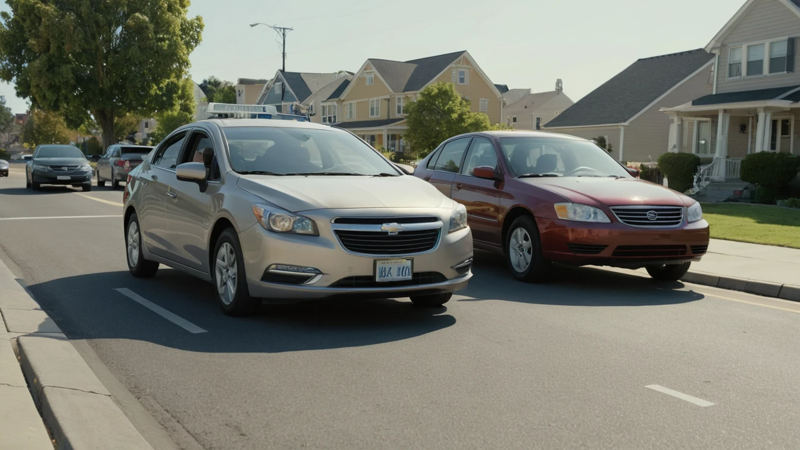
Positioning is everything in parallel parking. Start by pulling up beside the parked car. Keep about 2–3 feet of space between vehicles.
Your rear bumper should line up with the other car’s rear bumper. This creates the perfect angle for reversing. Straight wheels matter here, so double-check them.
Signal before you stop. This shows awareness and intention. Examiners love seeing clear communication on the road.
Use Reliable Reference Points 🎯
Reference points make parallel parking repeatable. They remove guesswork and boost confidence. Every car is different, so practice helps you find yours.
Common reference points include:
- Rear window alignment
- Side mirror position
- Door handle alignment
When your rear bumper aligns correctly, turn the wheel sharply. These visual cues guide your movements without panic.
| Reference Point | What It Helps With |
| Rear Bumper Line | Starting the reverse |
| Side Mirror View | Knowing when to straighten |
| Curb Visibility | Final positioning |
Master The Steering Wheel Movements 🔄
Steering control is the heart of parallel parking. Start with a full turn toward the curb. This angles your car smoothly into the space.
As the front clears the parked car, straighten the wheel. This keeps your car from drifting too close. Then turn away from the curb to finish.
Each movement should feel slow and intentional. Fast steering causes overcorrection. Smooth turns keep the car balanced and aligned.
Control Your Speed Like A Pro 🐢
Speed control separates confident drivers from nervous ones. Reverse slowly—almost at a crawl. This gives you time to think and adjust.
Use the brake gently to control movement. Avoid relying only on the accelerator. Light braking gives better precision.
Examiners prefer slow corrections over fast mistakes. There’s no reward for rushing. Take your time and breathe.
Check Mirrors And Blind Spots Constantly 🪞
Mirror checks are non-negotiable. Use your rearview mirror, side mirrors, and shoulder checks. Do this before and during the maneuver.
Look for pedestrians, cyclists, and moving cars. Even during a test, real-world safety applies. One missed check can mean failure.
Turn your head clearly so the examiner sees it. Subtle eye movement may not count. Make your checks obvious and confident.
Know When To Adjust Without Stress 😌
Small adjustments are normal. Examiners expect them. Pulling forward to fix alignment is allowed when done safely.
Signal again if you move forward. Check traffic before adjusting. This shows good judgment, not weakness.
Don’t panic if the angle feels off. Pause, breathe, and correct calmly. Control matters more than perfection.
Avoid Common Parallel Parking Mistakes ❌
Many failures come from simple, avoidable errors. Knowing them helps you stay alert.
Common mistakes include:
- Forgetting to signal
- Hitting or climbing the curb
- Parking too far from the curb
- Not checking blind spots
Awareness prevents these issues. Slow down and stay focused. Confidence grows when mistakes are avoided early.
Practice With Consistent Spacing 🅿️
Practice builds muscle memory. Use cones or trash cans if real cars aren’t available. Keep spacing realistic to test accuracy.
Practice in quiet neighborhoods first. Then move to busier streets. This prepares you for real test conditions.
Repetition removes fear. The more you practice, the more automatic the steps become.
Use A Simple Step-By-Step Method 📝
A fixed routine reduces anxiety. Follow the same steps every time. This consistency builds trust in your ability.
Basic flow:
- Align bumpers
- Full turn toward curb
- Straighten wheels
- Turn away to finish
When nerves hit, routines keep you steady. Your body remembers what your mind forgets.
| Step | Action |
| Align | Match rear bumpers |
| Reverse | Turn wheel fully |
| Adjust | Straighten wheels |
| Finish | Center and straighten |
Stay Calm Under Test Pressure 🧘
Nerves are normal during a driving test. The key is controlling them. Deep breaths help slow your heart rate.
Focus on the process, not the result. One step at a time keeps panic away. The examiner isn’t rushing you.
Confidence comes from preparation. Trust what you practiced. Calm drivers make fewer mistakes.
Handle Tight Spaces Confidently 🔍
Tight spaces look scarier than they are. If your car fits, your method still works. Precision matters more here.
Use mirrors more often in tight spots. Go even slower than usual. Small movements create big changes.
If unsure, adjust. That’s better than forcing it. Control always beats speed.
Know What’s Allowed During The Test ✅
You are allowed to:
- Adjust multiple times
- Pull forward to fix alignment
- Take your time
- Ask for clarification once
You are not allowed to:
- Hit the curb hard
- Skip safety checks
- Block traffic dangerously
Knowing these rules reduces fear. Clear expectations bring confidence.
Practice In The Test Area Beforehand 📍
Practicing near the test center helps a lot. You’ll see similar roads, curbs, and parking styles.
Notice curb height and space sizes. These details matter more than you think. Familiar surroundings calm nerves.
This prep gives you a mental edge. Confidence rises when the environment feels known.
Final Parking Check Before Stopping ✔️
Once parked, straighten the wheels. Center your car between both vehicles. Check distance from the curb.
Apply the parking brake smoothly. Shift into park. Signal completion if required.
A clean finish leaves a strong impression. End confidently and wait for instructions.
| Final Check | Why It Matters |
| Wheel Straight | Shows control |
| Proper Distance | Meets test rules |
| Parking Brake | Safety awareness |
Build Confidence With Repetition 💪
Confidence isn’t luck—it’s practice. The more you repeat the steps, the easier they feel.
Each successful attempt reinforces belief. Mistakes become lessons, not failures. Progress happens faster than you think.
Parallel parking becomes just another maneuver. And suddenly, it doesn’t feel scary anymore. 😊
Conclusion 🏁
Parallel parking for your driving test doesn’t have to be stressful. With the right setup, clear reference points, and calm steering, it becomes predictable and manageable. Focus on safety checks, slow movements, and consistent practice. Confidence comes from preparation, and preparation leads to passing.
FAQs ❓
How many adjustments are allowed in parallel parking?
You can make multiple adjustments during your test. Just signal and check traffic each time. Examiners prefer safe corrections over rushed mistakes.
What if I lightly touch the curb during the test?
A light touch may be acceptable in some states. Hard hits or climbing the curb usually cause failure. Always aim to stay slightly away.
How close should I park to the curb?
Most tests require parking within 12 inches of the curb. Closer is better, as long as you don’t touch it.
Can I stop and reset during parallel parking?
Yes, stopping briefly is allowed. Use it to reassess your position. Just remain aware of traffic and surroundings.
How long should parallel parking take in a test?
There’s no strict time limit. Take as long as needed to park safely and correctly. Control matters more than speed.